

In recent years, the landscape of medical diagnostics has undergone a significant transformation, driven by advancements in technology and a growing understanding of infectious diseases. Among these innovations, Accurate Antibiotics Rapid Test Strips are emerging as a game-changer in the realm of clinical practice. These test strips provide a quick and reliable method for determining the presence of bacterial infections and the appropriate antibiotic treatment, bridging a critical gap in timely and effective patient care.
As antibiotic resistance becomes an increasing global concern, the need for precise diagnostics has never been more urgent. Traditional methods of diagnosing infections can be time-consuming, often delaying treatment and exacerbating health complications. With Accurate Antibiotics Rapid Test Strips, healthcare providers can obtain results within minutes, enabling them to make informed decisions about antibiotic prescriptions. Accurate Pesticides Lateral Flow Rapid Test Strips helps in delivering targeted treatment but also plays a vital role in combating the misuse of antibiotics, ultimately improving patient outcomes and promoting public health.
Understanding Antibiotic Resistance
Antibiotic resistance is one of the most pressing challenges in modern medicine. Accurate mycotoxin Lateral Flow Rapid Test Strips occurs when bacteria evolve and develop mechanisms to withstand the effects of antibiotics, rendering these once-effective medications ineffective. The misuse and overuse of antibiotics in both healthcare and agriculture have accelerated this phenomenon, leading to a rise in infections that are harder to treat. As a result, common diseases are becoming increasingly difficult to manage, raising the stakes for patients and healthcare systems alike.
The consequences of antibiotic resistance extend beyond individual health concerns. Infected patients may require longer hospital stays, more intensive care, and costly alternative treatments. Additionally, the spread of resistant bacteria can lead to outbreaks that threaten entire communities. This public health crisis highlights the urgent need for innovative solutions that can accurately diagnose bacterial infections and determine appropriate antibiotic treatments, thus minimizing unnecessary antibiotic use and preserving their effectiveness.
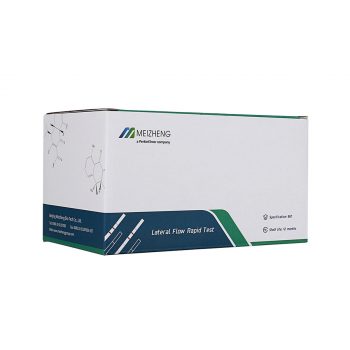
Accurate Antibiotics Rapid Test Strips present a pivotal opportunity in the fight against antibiotic resistance. By providing quick and reliable results, these test strips enable healthcare providers to identify bacterial infections and their susceptibility to different antibiotics in a matter of minutes. This rapid diagnostic capability can transform treatment protocols and empower clinicians to make informed decisions, reducing the likelihood of inappropriate antibiotic prescriptions and contributing to the wider effort to combat antibiotic resistance.
Technology Behind Rapid Test Strips
Accurate antibiotics rapid test strips utilize cutting-edge technology to detect specific bacterial infections quickly. These strips are designed to work based on immunoassay principles, where antibodies engineered to bind to certain bacterial antigens are embedded within the strip. When Food Laboratory Consuables Supplier , such as a swab from an infected site, is introduced, the antibodies capture the target bacteria, leading to a visual indicator through a color change on the strip.
One of the key components in the technology is the use of nanomaterials, which significantly enhance the sensitivity and specificity of the tests. These nanomaterials can amplify the signal generated by the binding events, allowing for the detection of even low levels of bacteria. This advancement ensures that healthcare providers can obtain results that are not only rapid but also accurate, thus facilitating timely and appropriate antibiotic treatment.
Furthermore, the design of these rapid test strips promotes ease of use and accessibility. https://mzfoodtest.com/product-category/technologies/lateral-flow-immunoassay/antibiotics-rapid-test-strips/ can conduct tests on-site without the need for extensive laboratory equipment or materials. The user-friendly interface, often involving simply dipping the strip into a sample, provides immediate results, addressing critical delays associated with traditional diagnostic methods. This innovative approach to testing is paving the way for more effective management of bacterial infections.
Implications for Healthcare and Future Directions


The introduction of accurate antibiotics rapid test strips marks a significant advancement in healthcare diagnostics. These test strips allow for swift identification of bacterial infections and the determination of the most effective antibiotics for treatment. Accurate Veterinary Drug Residue Rapid Test Strips can drastically reduce the reliance on broad-spectrum antibiotics, minimizing the risk of developing antibiotic resistance. As healthcare providers can make informed choices in real-time, patient outcomes are likely to improve while also promoting responsible antibiotic use.
Furthermore, the widespread adoption of these diagnostic tools has the potential to streamline healthcare processes. In settings where laboratory facilities are limited, these test strips can serve as an essential resource, enabling frontline healthcare workers to provide timely interventions. By facilitating quicker diagnosis and treatment, the burden on healthcare systems can be alleviated, ultimately enhancing the management of infectious diseases and lowering healthcare costs associated with prolonged illnesses or unnecessary antibiotic prescriptions.
Looking ahead, the future of accurate antibiotics rapid test strips is promising. Ongoing research and development efforts aim to enhance the accuracy and usability of these diagnostics, potentially integrating them with digital health technologies. This could allow for real-time data collection and sharing, further advancing personalized medicine. As these tools become more sophisticated, they will play a crucial role in global health initiatives aimed at tackling antibiotic resistance and improving infectious disease management on a larger scale.